
Bullying affects 1 in 5 students in the United States, making it a serious issue needing our focus.1 This guide looks at the many aspects of bullying. It covers what it is, the different types, signs, and its wide impact. These guide aims to give you the info and tools to make places safer and more welcoming for everyone.1I will talk about how to stop and deal with bullying by using tips from many sources and what works well. From projects in schools to getting whole communities involved, we’ll see how everyone can help fight against bullying, cyberbullying, and more.1
We will discuss the laws, defining what bullying really is, and all its parts. You will understand the various forms of bullying, like physical or verbal, as well as relational and cyberbullying. This will help you spot bullying and know what to do about it.1We’ll stress how building good vibes in schools and being inclusive are key. Being an “upstander” can help combat bullying too. This means standing up against it. By encouraging respect, understanding, and working together, we fight bullying effectively.1
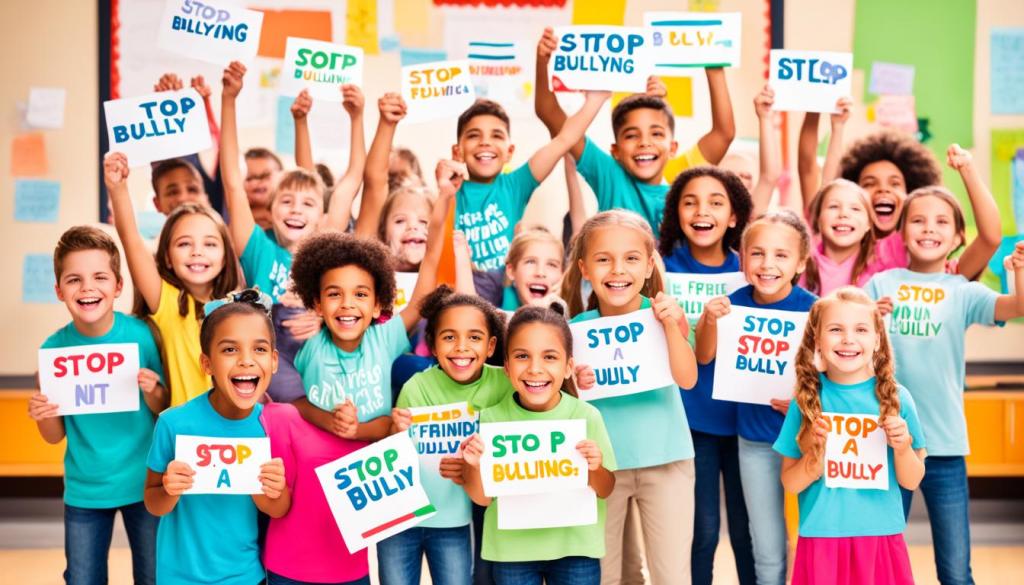
What is Bullying?
Bullying is more than just picking on someone. It affects individuals, schools, and whole communities. It includes actions or words meant to scare, annoy, or harm someone or their things.2 In bullying, the bully often has more power than the victim. This power can be in different forms, such as physical strength, popularity, or social status. The bully uses this power to control or hurt the victim. The actions are not just one-time events; they can keep happening or are likely to happen again.2 This can make the victim feel helpless and scared over a long time.
Imbalance of Power
The power difference between the bully and the victim is a key part of bullying. This difference can be about physical strength, popularity, or how much control the bully seems to have.2 This power lets the bully push the victim around, causing harm or fear.
Repetition
Bullying doesn’t usually happen just once. It’s a behavior that can keep going, over and over, or might happen more times.2 The never-ending cycle can make the victim feel like they have no way out. This feeling can have severe and lasting effects on the victim.
Types of Bullying
Bullying comes in many forms, each affecting people differently. Knowing these types helps us stop bullying better.
Physical Bullying
This type includes actions like hitting, kicking, and pushing. It also covers taking or breaking someone’s stuff. Making rude hand gestures is part of it, too.2
Verbal Bullying
Verbal bullying happens when people use words to hurt others. This includes teasing, calling names, and making sexual comments. It also covers taunting and threats.2
Relational Bullying
Relational bullying is about harming friendships. It includes leaving people out or stopping others from being friends. Spreading rumors and embarrassing people are also forms of this bullying.2
Cyberbullying
Cyberbullying is a problem on the internet and through gadgets. It involves sending mean messages or posting hurtful things on social media.3 Studies find that a good number of kids have gone through this. About 15% up to 12-year-olds and 37% up to 17-year-olds have faced cyberbullying.3Bullying can happen at school or even outside classes. It occurs in places like the playground or the bus. Even online, bullying can be a risk.2It’s vital to understand all these types of bullying. This knowledge helps make our schools and communities safer and more welcoming for everyone.
Signs of Bullying
Seeing the signs of bullying early is key to helping. Bullied kids might show changes in how they act, feel, or even how they look. This knowledge is vital for anyone who wants to stop bullying successfully – including parents, teachers, and others in the community.
Physical Signs
Bullying can sometimes leave physical marks, like bruises. But, it’s not always just about the bruises. A child might often lose or break their things, have a lot of stomach aches, and could eat much less or much more than they used to.
Emotional Signs
Being bullied can make a person feel helpless, badly about themselves, or very worried or sad.
Behavioral Changes
Kids who are bullied might start to skip school or not want to do things they used to enjoy. Their grades might also start to drop. They can change how they hang out with friends or family. Sometimes, they’ll even stop doing things they loved before.
Effects of Bullying
Bullying’s effects can be severe and last a long time. Individuals might feel anxious, sad, and have low self-esteem. This can make it hard for them to do well in school and make friends.4 Kids who go through tough times early on are more likely to bully others.4 Those who have been through trauma might also bully or be targets themselves.4Seeing someone else get bullied can make people feel bad too. They might feel guilty or get sad, use drugs, or not go to school. The effects of bullying can show up right away or later, causing issues like bad grades or trouble making and keeping friends. In the worst cases, it can even lead to thoughts of suicide.4
Academic Performance
Bullying affects how well kids do in school, their attendance, and their relationships. For example, a global study found that bullied kids often can’t sleep well. Sleep problems are twice as common in them compared to others.5Children who are bullied are more likely to have physical signs of stress. This includes headaches, stomachaches, dizziness, and even bedwetting. The stress of being bullied can really take a toll on the child’s mental health as well.
Social Development
4 How we talk about bullying matters. It’s better to say “the child who bullied another student” and “the student who was bullied”. This shows the seriousness of what happened. Victims may find it hard to make friends and trust people after being bullied. This shows how bullying can affect someone’s social life.
Bullying Prevention Strategies
To stop bullying effectively, everyone must work together. This means schools, parents, and the whole community need to be involved. It’s shown that kids often go to their parents for advice on tough choices,6 underlining how important it is to talk openly with them. Just talking for 15 minutes daily can make children feel more at ease and willing to talk about their problems. Sharing stories from your day and how you feel can help build trust and make children more likely to open up.
School-based Initiatives
Schools should have clear rules against bullying and teach their staff how to handle it. They can also run programs that help students develop their self-awareness and social skills. It’s alarming that a quarter to a third of students face bullies, and they might become less successful because of it. Bullying doesn’t pick favorites based on money or background, it can happen to anyone. The first level of fighting bullying is making sure everyone knows how to be kind and responsible. Then there’s focused help for skills where students might be struggling and extra support if they need it. Finally, the most intense help is for those who need special plans and extra care to keep them safe and help them succeed.
Parental Involvement
Parents should talk with their kids about bullying openly by asking them what they think about it. This helps kids understand the problem better. They can also help by encouraging their children to join in activities they love. Not only does this make kids happier, but it also helps them meet others and makes them less likely to be bullied. The way adults act shapes how children see the world. So, being kind and respectful to others is key in teaching children to be the same. It’s also important for parents to stay updated on their child’s school life through newsletters and talking with teachers. Making home a safe place to talk about bullying is important for kids to feel they can share their problems and get help.
Community Engagement
Dealing with bullying calls for a community effort, with everyone backing up the school’s actions. Monitoring and adapting anti-bullying strategies based on what really happens is essential. Revising current rules and programs to make a solid plan is also a must. Staff must be trained in how to prevent and stop bullying. Keeping anti-bullying measures effective over time means regularly checking progress and working together to solve any new problems that arise. It is imperative to consider the local culture and any bias in formulating these plans. Encouraging others to step in when bullying happens can really make a difference. Those suffering from bullying can benefit from learning social skills and how to stand up for themselves. But punishing bullies alone is not the answer. By teaching individuals how to act better and in private, schools can really change things for the better. By using programs and advice from trusted sources, schools can make a real difference in stopping bullying.
Responding to Bullying Incidents
When bullying happens, it’s vital to know how to report it right away. This helps stop it fast.7 You should tell a friend or a trusted adult. They can really make a difference if you’re being bullied.7 If you don’t get help, the bullying can get worse. So, talking to someone about it is important.7
Reporting Procedures
Communities and schools should offer advice, safety plans, and links to help resources.7 If the bullying is online, it’s key to keep records, like screenshots. But don’t talk to the bully directly.7 Getting adults involved is the best response. This can help tackle cyberbullying issues effectively.7 It’s shown that reaching out to adults, websites, or police can stop the bullying. This also helps prevent it from happening again.7
Consequences for Bullies
Bullies need to face consequences, like being disciplined. They might also have to join educational programs.8 Acting fast and consistently against bullying can actually end it over time.8 So, adults should step in right away when they see bullying happening.8 They must also make sure the kids in the situation are safe.8

Bullying Laws and Policies
Across the U.S., many places like states and towns have set up bullying laws and bullying policies. They aim to fight bullying in schools and local areas.9 These rules clearly say what counts as bullying. They also tell how to report it and what’s the punishment for bullies.9 Knowing about these laws is very important. It helps everyone, from schools to families, handle the problem well.
9 Each state has its own rules on bullying prevention. The U.S. Department of Education gives advice on what these laws should have, like clear rules and how to train people.9 In Minnesota, a special act from April 2014 makes schools create good anti-bullying plans. These plans must have clear rules on bullying, how to help students, and what to do if there’s a bullying report.9 They also need to teach students how to stop and avoid bullying, value everyone’s differences, and solve problems peacefully.9
10 Florida has its own law, called The Jeffrey Johnston Stand Up for All Students Act. This law makes it a must for schools to fight bullying and harassment against students and staff. Bullying here is about causing harm, like hurtful words, or dealing with someone in a scary way that hurts their school work.10
The Florida Anti-Bullying Law is set out in s.1006.147, F.S. It also has a Model Policy Against Bullying and Harassment for schools. Teachers and staff are key in making schools safe from bullying. They learn how to spot bullying, and there are more adults around to keep an eye out.
10 If a child is being bullied, parents should not blame them. It’s best to find out more, talk to the school, and let the child share what’s happening.10 Kids should not stay silent when they see or face bullying. They should tell an adult they trust and help stand up for others too.10
Bullying in the Digital Age
Tech and social media brought a new kind of bullying. It’s called cyberbullying. This happens on sites, apps, and in forums online.11 During lockdown, cyberbullying went up by 70% among kids and teens.11 It can be done by one person or a group, on one platform or many at once. Cyberbullying is getting worse, happening mainly on social media, texts, email, and in online games. It’s crucial to make people aware of how bad cyberbullying is. Seeing changes in how kids act after using tech, pulling away from online in front of others, or stopping tech use suddenly are hints they might be bullied online.1Talking to kids about online safety and setting rules at home can stop cyberbullying.11 Encouraging talks and teaching kids good digital behavior helps too.
Resources for Bullying Support
Solving bullying issues needs many support resources. Thankfully, there are many national and local groups, support groups, and hotlines ready to help. They provide info, counseling, and connections to other help. This makes the world a more helpful and friendlier place.
National Organizations
On a big scale, strong groups work to stop bullying. For example, the Pacer National Bullying Prevention Center, the STOMP Out Bullying effort, and the Anti-Defamation League fight bullying across the U.S. They share a lot of info, education, and support programs to stop bullying.12
Local Support Groups
Some communities have also formed local groups to fight bullying. These groups provide person-to-person help and services, along with special programs for their area. Joining these groups can offer personal help and create a strong community support.
Helplines and Hotlines
When urgent help is needed, several helplines are ready to listen. The National Bullying Hotline, the Suicide Prevention Lifeline, and the Crisis Text Line are just a few. They help those dealing with bullying find support and care.

With all these resources, anyone can find the help they need. Together, we can stop bullying. Let’s make the world safer and friendlier for everyone.
Bullying Prevention Education
To stop bullying effectively, it’s important to teach everyone involved. This includes those in classrooms. They learn through special lessons about bullying prevention. They find out why it’s key to respect others, be empathetic, and speak out against bullying.13 These lessons also help them grow good social skills and character. Plus, they learn how to make sure everyone feels included, starting at a young age.
Teacher Training
10 Teaching teachers about preventing bullying is critical. They learn to spot early signs and the common myths about bullying.10 Sometimes, it’s not easy to notice certain types of bullying. So, it’s vital that teachers are trained well to see and handle bullying right away in their own classes.
Student Empowerment Programs
14 We start teaching kids the importance of not being a bully and not being bullied very early. Special programs help give young people the power to speak out and make a difference at school. They encourage kids to stand up for others. This way, the students learn to act kindly and make their school a place of respect and friendship.
Building a Positive School Climate
Cultivating a positive school climate is key to cutting down on bullying. This means making everyone feel like they belong and are accepted. It’s about promoting respect and understanding among peers. Also, it’s vital to cheer on those who stand up to bullies.
By valuing diversity, empathy, and shared responsibility, we can fight bullying. Educators and community members play a big part here.15
Fostering Inclusivity
Schools want everyone to feel like they fit in, are respected, and valued.16 We achieve this by teaching about different cultures, celebrating diversity, and giving students a chance to learn about various backgrounds.17 Teachers also need to tackle any hidden biases that might lead to excluding others.
Promoting Respect
Promoting respect and understanding among peers is vital for a positive school environment.16 Teachers should show how to be respectful and talk about being kind. It’s also about setting clear rules against bullying and sticking to them. This makes sure everyone knows why they need to respect each other.
Encouraging Upstanders
Encouraging students to stand up against bullying is a great idea.16 We should give them chances to learn to be good bystanders and celebrate their efforts.15 When students feel they can make a difference by speaking up, we all win.
Conclusion
Bullying is a big problem that needs everyone’s effort to fix.18 Lots of kids all over the country are affected by it.18 To tackle bullying, we must be aware of its signs and use good plans. We should do this at school, in the community, and with each person. This way, we can make places safer for everyone.19 When students are bullied, they often do worse in school and find it hard to focus.19 Working together and caring for each other is crucial. It helps keep everyone happy and successful.
The20 INCLUSIVE project is doing well in English secondary schools. It tries to make students less aggressive. This project is in its third phase to see how well it works and if it’s worth the money20. Making schools friendly and respectful is important. It aims to stop bullies and help those bullied. This makes life better and safer for everyone.
FAQ
What is the legal definition of bullying?
Bullying, by the law’s view, is any act or word that tries to scare, hurt, or make someone feel bad, physically or emotionally. It involves someone having power over another. The bad action can happen over and over, creating a cycle of harm.
What are the different types of bullying?
There are many ways a bully can be hurtful. They might hit or push someone, call them bad names, or threaten them. They could exclude someone from a group or spread lies about them. Nowadays, bullying can even happen online, known as cyberbullying.
What are the signs that someone is being bullied?
Usually, you might see physical signs like bruises, cuts, or damaged clothes on someone who’s bullied. But often, the signs are emotional, like feeling sad all the time or not liking themselves. They might also change how they act, like not wanting to go to school anymore or doing poorly in their classes.
What are the effects of bullying on individuals?
Being bullied can really hurt someone deeply and for a long time. It can lead to feeling anxious, sad, or unworthy. This could make it hard for a person to do well in school or to make friends. Sometimes, it even affects their physical health.
What are effective strategies for preventing and responding to bullying?
Stopping bullying needs everyone to work together. Schools, parents, and communities all play a role. When bullying happens, clear steps should be taken quickly. This means helping the one bullied and holding the bully responsible with proper punishment and maybe, teaching them right from wrong.
What laws and policies are in place to address bullying?
There are rules set up in many places to deal with bullying. These rules show what bullying is, how to tell if it’s happening, what to do about it, and what will happen to the bully.
How has the rise of technology and social media affected bullying?
Sadly, technology and social media have opened doors to cyberbullying. Bullies can now spread hate online. It’s important to talk about cyberbullying and how to stay safe on the internet to protect each other.
What resources are available for those impacted by bullying?
Support is out there for those dealing with bullying. There are many groups and hotlines ready to help. They offer advice, support, and connections to further help.
How can education programs help prevent and address bullying?
Teaching everyone the right values can prevent bullying. Schools can have classes about respect and being kind. Teachers and students can learn how to spot bullying and stop it. Everyone can help make schools safe and welcoming.
What is the importance of building a positive school climate?
A positive school is key in stopping bullying. It’s about making everyone feel welcome and treating each other with respect. It encourages people to stand up to bullies and support those who need it. This way, bullying becomes less of an issue when the whole community works together.
Source Links
- https://dpi.wi.gov/sspw/safe-schools/bullying-prevention
- https://www.stopbullying.gov/bullying/what-is-bullying
- https://www.verywellmind.com/what-are-the-different-types-of-bullying-5207717
- https://www.nctsn.org/what-is-child-trauma/trauma-types/bullying/effects
- https://www.ncbi.nlm.nih.gov/books/NBK390414/
- https://www.stopbullying.gov/prevention/how-to-prevent-bullying
- https://www.adl.org/sites/default/files/10-Ways-to-Respond-to-Bullying.pdf
- https://www.stopbullying.gov/prevention/on-the-spot
- https://www.pacer.org/bullying/parents/laws-and-policy.asp
- https://www.fldoe.org/safe-schools/bullying-prevention.stml
- https://www.parkview.com/blog/bullying-in-the-digital-age
- https://www.stopbullying.gov/resources/external
- https://www.pbis.org/topics/bullying-prevention
- https://safechild.org/take-a-stand-bullying-prevention/
- https://cyberbullying.org/developing-a-positive-school-climate-to-prevent-bullying-and-cyberbullying
- https://www.gse.harvard.edu/ideas/usable-knowledge/22/05/school-culture-and-bullying
- https://www.leaderinme.org/blog/prevent-bullying/
- https://www.ncbi.nlm.nih.gov/books/NBK390406/
- https://www.classace.io/answers/write-an-essay-about-conclusion-of-the-effects-and-causes-of-bullying
- https://www.ncbi.nlm.nih.gov/books/NBK305128/
 ALL THINGS MENTAL
Leave a comment