
Living with a physical disability and a mental health disorder is not easy. I know this firsthand, as I have experienced the challenges that come with navigating both disabilities and mental health issues. The physical impairment may limit your mobility or independence, while the psychological challenges can affect your mood, thoughts, and overall well-being. It can sometimes feel like you’re caught in a never-ending cycle of coping with physical and mental health difficulties.
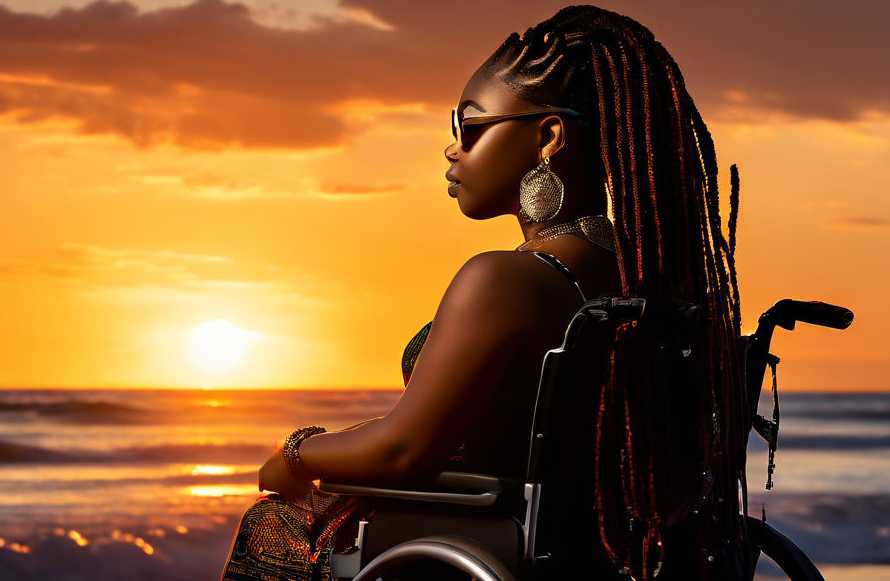
But here’s the thing: you don’t have to face these obstacles alone. There are strategies and tips that can help you find balance and wellness, even in the face of co-occurring disabilities. Through my own journey, I’ve discovered specific approaches that can make a significant difference in various areas of life, from friendships and social interactions to faith, family dynamics, workplace, and finding your sense of identity.
In this article, I’ll share insights and personal experiences that can resonate with you. Whether you’re grappling with the intersection of disability and mental illness, or you’re seeking ways to support someone in a similar situation, this article will provide practical guidance, compassion, and hope.
Navigating Friendships & Social Life with a Mental Health Condition

Living with a mental health condition can pose unique challenges when it comes to navigating friendships and maintaining a healthy social life. Individuals with mental health conditions may face difficulties in picking up social skills and may feel like a “bad friend” due to the impact of their mental health on relationships. Furthermore, social exhaustion and burnout can add additional strain. However, there are strategies that can help individuals with mental health conditions cope with social challenges and foster a fulfilling social life. One important aspect is self-awareness. Recognizing and understanding how your mental health condition affects your social interactions can provide valuable insights and help you develop effective coping strategies.
Effective communication is also key. Clearly expressing your needs and boundaries to your friends can help them understand and support you better. Open and honest conversations about your mental health can contribute to stronger and more meaningful connections. Connecting with a peer community can be highly beneficial. Engaging with individuals who share similar experiences can provide a sense of validation, support, and understanding. This can be achieved through joining support groups, seeking out online communities, or attending local mental health events.
Remember, having a mental health condition does not make you a bad friend. It is important to prioritize your mental well-being and take breaks when needed to prevent social exhaustion and burnout. By implementing these strategies and maintaining a strong support system, it is possible to cultivate a healthy and fulfilling social life alongside a mental health condition.
Navigating Faith with a Mental Health Condition
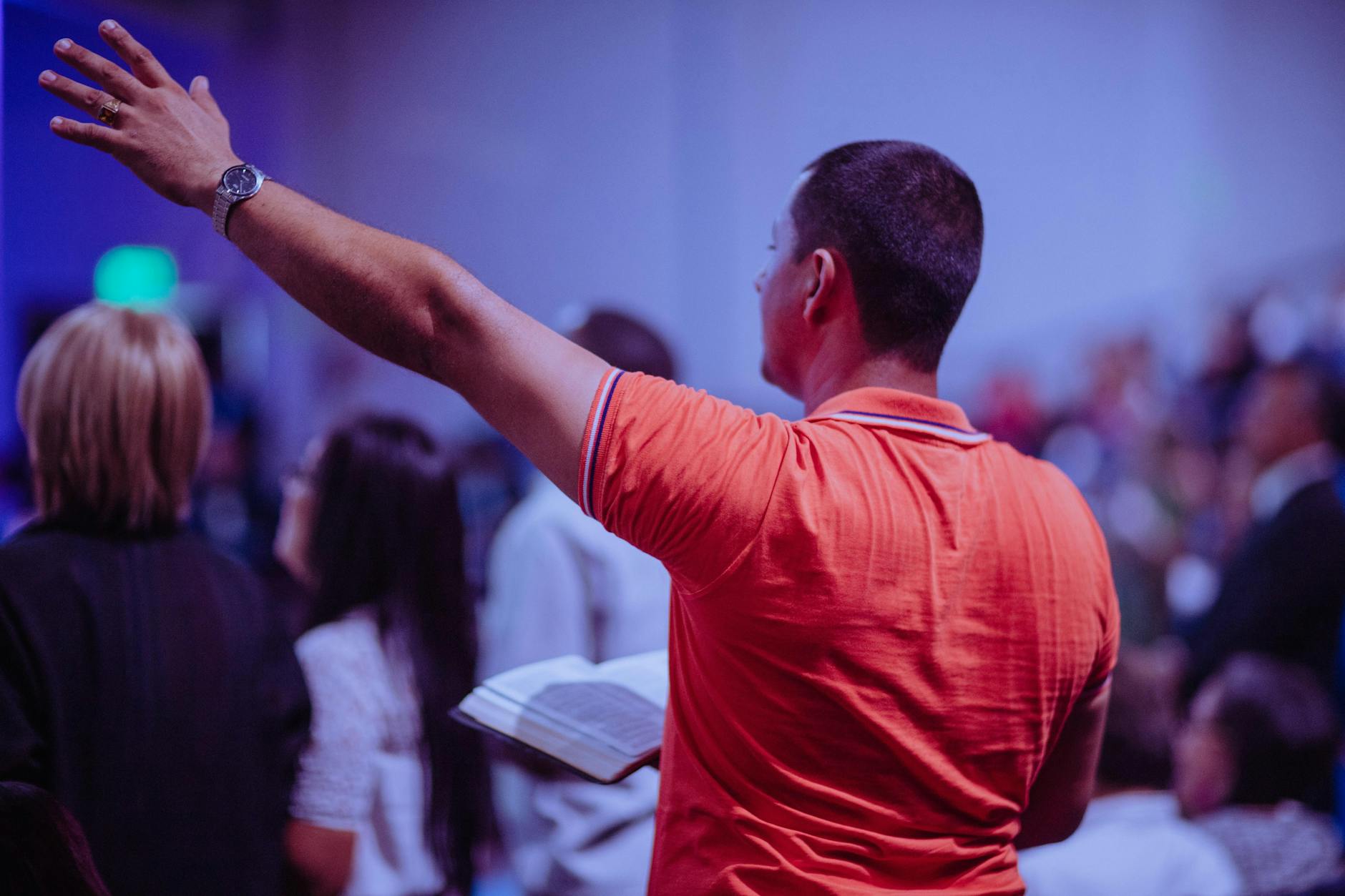
Having a mental health condition can profoundly impact an individual’s faith journey. It can lead to a questioning of their higher power and feeling invalidated or pushed out of their faith community. These challenges can be overwhelming, but there are ways to navigate this intersection of faith and mental health. One essential step is finding a mental health professional who understands the role of faith in mental well-being. Seeking out a therapist or counselor who incorporates religious or spiritual approaches can provide the necessary support and guidance. They can help individuals address their doubts, explore their beliefs, and find solace and understanding in their journey.
In addition to finding the right mental health professional, it is crucial to seek out a faith community that is accepting and supportive. Feeling pushed out of a community can deepen feelings of isolation and further impact mental health. Finding a community that embraces and understands mental health challenges allows individuals to feel validated and supported on their faith journey.
Engaging in purposeful moments of prayer or meditation can also be beneficial for mental well-being. Taking intentional time for reflection, seeking guidance, and finding inner peace can help individuals navigate the difficulties they face. Whether it’s through traditional religious practices or personal rituals, these moments of connection can be powerful sources of comfort and strength. The path to navigating faith with a mental health condition is unique for each individual. It’s important to discover what approach resonates best with you and to prioritize your mental well-being throughout your journey.
Navigating Family Dynamics with a Mental Health Condition

Living with a mental health condition can have a significant impact on family dynamics. It’s not uncommon to feel misunderstood or disconnected from loved ones who may struggle to fully comprehend the challenges you face. As a result, you might find yourself burdened with a sense of responsibility for the family stress caused by your condition. Finding a balance between your independence and accepting help from your family is an ongoing process. It’s essential to educate your family members about your mental health condition, so they can better understand your experiences and provide the support you need. This education can include sharing reliable resources, having open conversations about your condition, and debunking any misconceptions or stigmas associated with mental health.
Setting boundaries is crucial in maintaining healthy family relationships. Clearly communicate your needs and limitations to your family members, ensuring they understand what support you require and what might be triggering for you. By establishing boundaries, you can create a safe and understanding environment for everyone involved. While family support is vital, there may be times when seeking professional help becomes necessary. A mental health professional can provide specialized guidance, offer coping strategies, and assist in managing the challenges that arise within your family dynamics. Don’t hesitate to reach out for professional support when needed.
Accepting and Coping with a Disability
Living with a disability can be a challenging journey filled with a roller coaster of emotions. Accepting this new reality can involve grief and loss for the life we once had or the dreams we may have had to adjust. It’s essential to allow ourselves to feel these emotions, rather than suppressing them. By acknowledging and working through our feelings, we can begin the process of finding happiness and fulfillment in a “broken” body.
Grief and loss are natural responses when facing a disability. The physical and emotional adjustments can be overwhelming, leading to a range of emotions. It’s important to lean on a support system and seek professional guidance to navigate through this process. Remember, you’re not alone in experiencing this roller coaster of emotions.
Reframing our outlook is a powerful tool in embracing our disability. While we may face limitations, focusing on our abilities can be empowering. Shifting our perspective from what we can’t do to what we can do opens up new possibilities and opportunities. It’s about finding joy and satisfaction in our unique capabilities.
Learning About Disability
Understanding our disability is crucial in accepting and coping with it. Educating ourselves about our condition, its impact, and available resources empowers us to take charge and make informed decisions. By becoming knowledgeable advocates for ourselves, we can better navigate the challenges that arise.
Taking Charge as an Advocate
Stepping into the role of advocate is a significant part of accepting and coping with a disability. This means advocating for our needs, rights, and accessibility in all aspects of life. It also involves raising awareness and promoting inclusivity within our communities. Becoming an advocate isn’t always easy, but it allows us to create positive change and champion the rights of others facing similar challenges. By sharing our stories and educating others, we contribute to a more inclusive and understanding society.
Finding Happiness and Fulfillment
While accepting a disability can be a journey filled with ups and downs, it’s important to remember that happiness and fulfillment are still attainable. It’s about reframing our outlook, focusing on our abilities, and finding joy in new experiences. Embracing our disability becomes an opportunity for personal growth and resilience. By taking charge of our own narrative and embracing our unique journey, we can find happiness, purpose, and fulfillment in our lives. It’s not about letting our disability define us, but about using our experiences to shape who we are and what we can achieve. When we accept and embrace our disabilities, we open ourselves up to a world of possibilities and potential. It’s about finding strength within ourselves, surrounding ourselves with supportive communities, and advocating for disability awareness and inclusivity.
Finding New Meaning and Purpose

Living with a disability can present unique challenges, but it is possible to find new meaning and purpose in life. By engaging in impactful activities, individuals can overcome obstacles and cultivate a sense of fulfillment and self-worth.
Volunteering
One way to find meaning with a disability is through volunteering. By contributing time and skills to a cause that aligns with personal values, individuals can make a positive difference in the lives of others. Volunteering not only benefits the community but also provides a sense of purpose and fulfillment.
Developing New Hobbies
Exploring new hobbies can also bring meaning to life with a disability. Discovering activities that spark joy and interest can provide a sense of purpose and accomplishment. Whether it’s painting, gardening, or playing a musical instrument, developing new hobbies can bring a renewed sense of passion and fulfillment. Acts of kindness, such as helping a neighbor, mentoring others, or supporting a charitable organization, can bring a sense of purpose and connection. By uplifting and making a positive impact on the lives of others, individuals with disabilities can create a meaningful legacy.
Caring for Animals
Animals have a unique way of bringing joy and purpose into our lives. Caring for animals, whether as pets or through volunteering at animal shelters, can provide a sense of responsibility, companionship, and unconditional love. The bond formed between humans and animals can be a source of comfort, purpose, and joy.
Taking Care of Physical and Mental Health
When it comes to overall well-being, it’s essential to prioritize both our physical and mental health. For individuals with disabilities and mental health disorders, taking care of ourselves becomes even more important. Incorporating healthy habits into our daily lives can have a positive impact on our physical and mental well-being. Here are some key aspects of self-care to consider:
Exercise
Regular exercise is beneficial for both physical and mental health. Engaging in physical activity helps to improve cardiovascular health, strengthen muscles, and enhance overall physical fitness. Additionally, exercise releases endorphins, which are natural mood boosters that can help alleviate symptoms of anxiety and depression. Finding activities that are enjoyable and suitable for your abilities can make it easier to incorporate exercise into your routine.
Healthy Diet
Eating a nutritious and balanced diet is important for maintaining good physical and mental health. Consuming a variety of fruits, vegetables, whole grains, lean proteins, and healthy fats provides the body with the necessary nutrients to function optimally. A healthy diet can also improve mood and energy levels, as well as support cognitive function. It’s important to listen to your body’s needs and make choices that nourish and energize you.
Sleep
Getting enough quality sleep is essential for our physical and mental well-being. Sleep plays a vital role in supporting immune function, promoting optimal brain function, and regulating mood. Establishing a regular sleep schedule, creating a relaxing bedtime routine, and ensuring a comfortable sleep environment can help improve the quality and duration of your sleep. If you’re experiencing sleep difficulties, it’s important to address them and seek professional help if needed.
Stress Management
Managing stress effectively is crucial for individuals with disabilities and mental health disorders. Chronic stress can have negative effects on both physical and mental health. Finding healthy coping mechanisms that work for you, such as practicing mindfulness, engaging in relaxation techniques, or participating in activities you enjoy, can help reduce stress and improve overall well-being. It’s important to prioritize self-care activities that promote relaxation and stress relief.
Being Your Own Advocate

As someone living with a physical disability and a mental health disorder, I have learned the importance of being my own advocate. It involves understanding my rights and available resources, utilizing adaptive technologies, setting realistic goals, and practicing patience. By taking charge of my own learning and progress, advocating for my needs, and embracing adaptive strategies, I have empowered myself and found a sense of control in my journey towards wellness. An essential aspect of self-advocacy is gaining knowledge of our rights and available resources. Understanding the laws and regulations that protect individuals with disabilities and mental health disorders is crucial in ensuring fair treatment and access to the support we need. By staying informed and empowered, we can navigate various systems and advocate for ourselves confidently.
Setting Realistic Goals
When setting goals, it’s important to be realistic and considerate of our limitations. Instead of making grandiose expectations, I’ve learned to break down my goals into manageable steps. By doing so, I can celebrate small victories along the way, which boosts my motivation and confidence. Setting realistic goals allows me to make progress at my own pace and avoid unnecessary stress or disappointment. Patience has been a significant factor in my journey towards self-advocacy. It can be frustrating when progress is slow, but patience allows me to stay committed and persistent. I remind myself that change takes time, and with perseverance, I can achieve my goals. Practicing patience has taught me resilience and has been crucial in navigating the ups and downs of my journey.
Embracing Your Expertise and Overcoming Challenges
Embracing disability challenges and overcoming them requires developing mindfulness skills, utilizing problem-solving techniques, engaging in self-education, and taking charge of my own learning. By reframing challenges as opportunities for growth, I can proactively navigate the complexities of life with disabilities and mental health disorders.
Embracing Disability Challenges
Embracing disability challenges means acknowledging the unique hurdles I may face and finding strength in my abilities. It is important to shift my mindset from focusing on limitations to recognizing the opportunities for personal growth and resilience.
Mindfulness Skills
Mindfulness skills play a crucial role in navigating the challenges of disabilities and mental health disorders. Practicing mindfulness allows me to cultivate self-awareness, manage stress, and regulate my emotions. By staying present in the moment, I can make conscious choices and respond to difficulties with clarity and composure.
Problem-Solving
The ability to apply problem-solving techniques empowers me to find creative solutions and overcome obstacles. This involves breaking down complex challenges into manageable steps, seeking alternative perspectives, and persistently seeking innovative strategies to overcome barriers.
Self-Education
Engaging in self-education is essential for personal growth and development. By continuously learning about my disabilitiy, mental health disorder, and available resources, I can make informed decisions and advocate effectively for my needs. Online courses, books, and support networks provide valuable knowledge and insights.
Navigating life can be challenging, but there are strategies that can help us find balance and wellness if we embrace our disabilities, seek support and focus on our abilities. Remember that everyone’s journey is unique, and finding the right strategies that work for you may take time and experimentation. This journey requires patience, self-compassion, and a willingness to try different approaches. Also, seek professional support from healthcare providers who specialize in both physical and mental health, as they can offer valuable guidance and treatment options.
Living a fulfilling life with a disability and mental health disorder is possible. By leveraging personal strengths, maintaining self-care practices, connecting with supportive communities, and engaging in activities that bring joy and purpose, I have found balance and enhanced my overall well-being. You are not alone on this journey. Reach out for help, cultivate resilience, and keep striving for a fulfilling life despite the challenges. Your well-being matters, and you have the power to make a positive difference in your own life.
 ALL THINGS MENTAL
Leave a comment